
THE TIME WE CHOOSE
We live in a time when everything seems to be measured. We measure hours, goals, results, performance. We try to do more, faster, and often find ourselves feeling that there is never enough time. For the sixth edition of Genesis, we decided to ask ourselves a different question:
What if time were not simply a resource, but a responsibility?

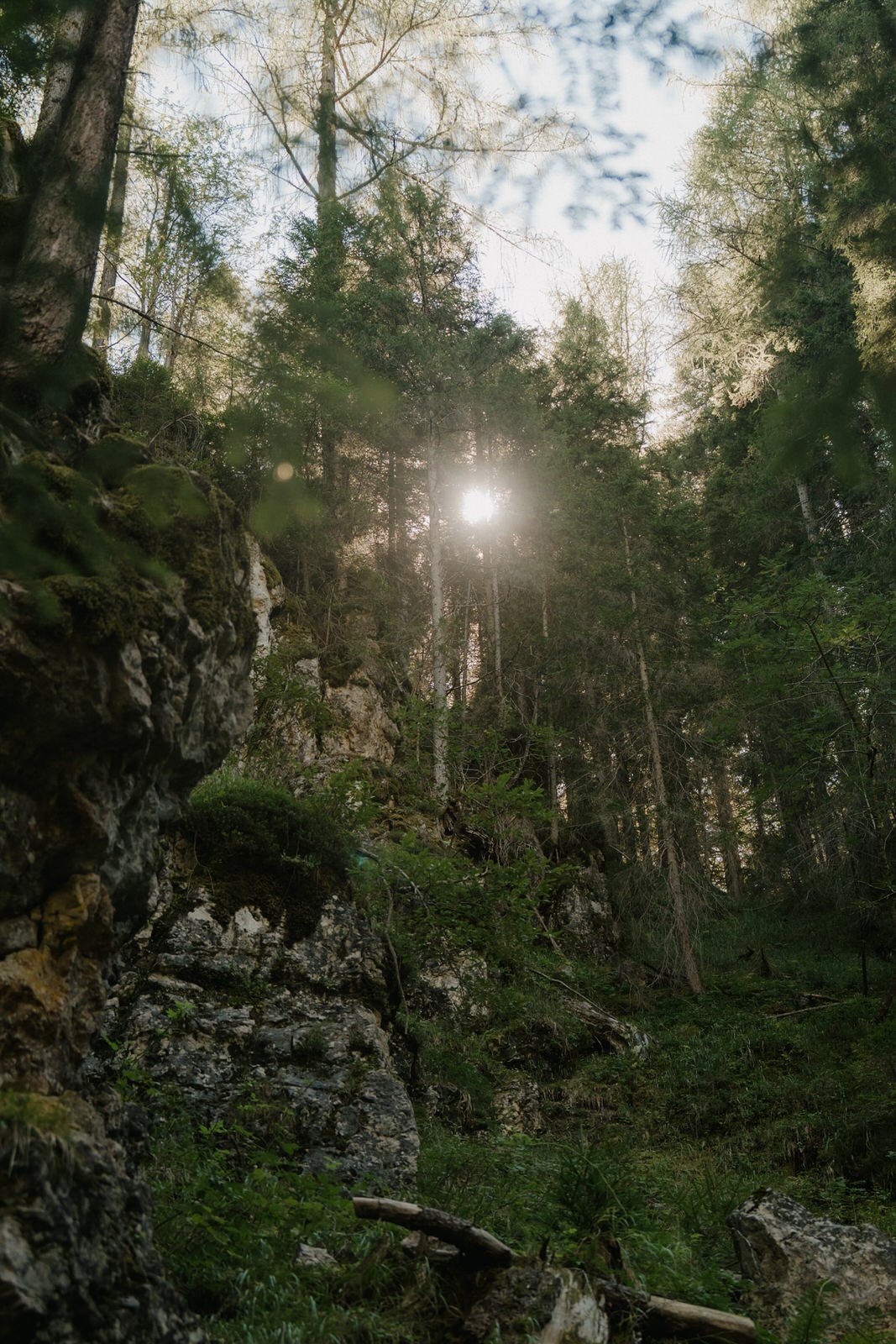

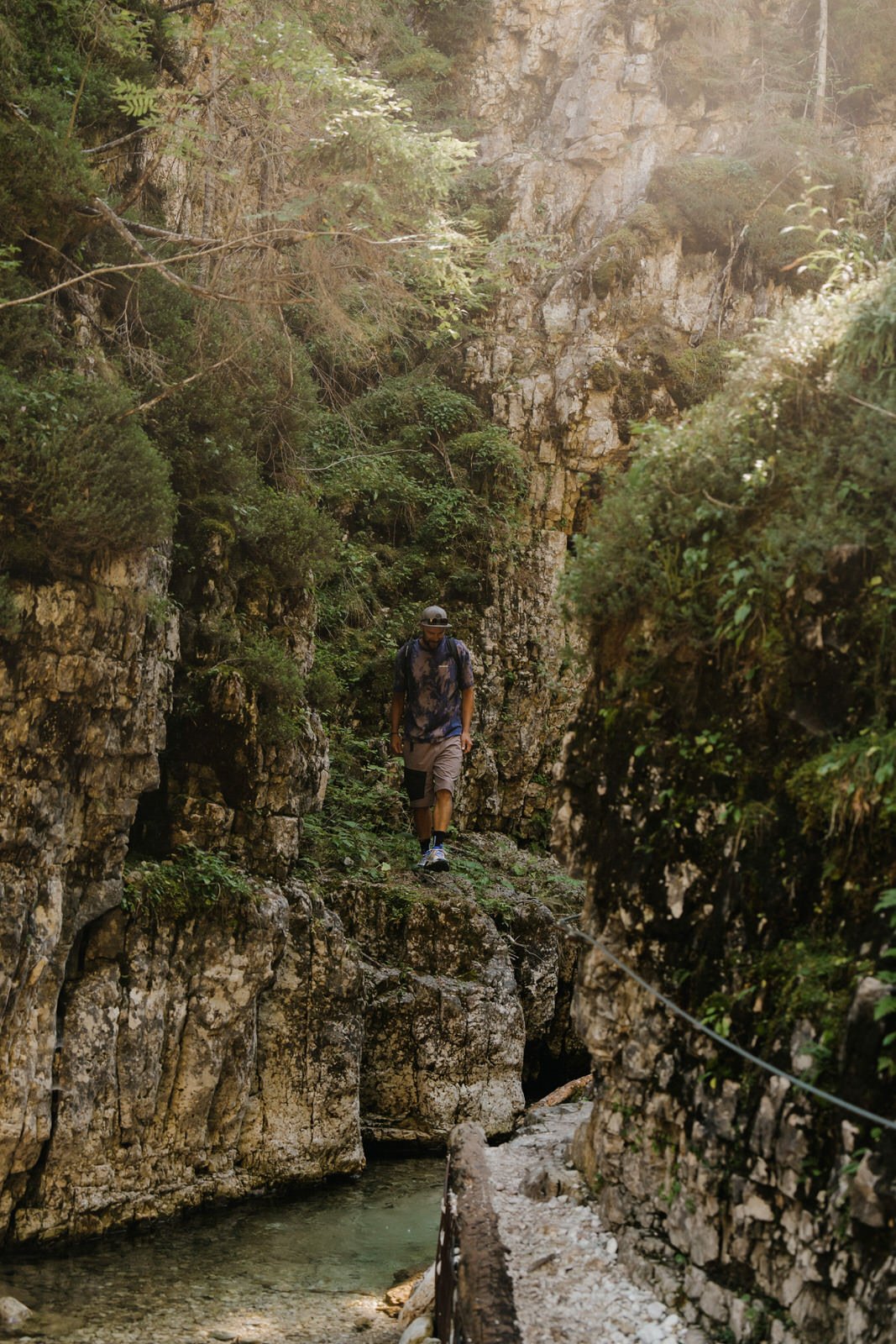


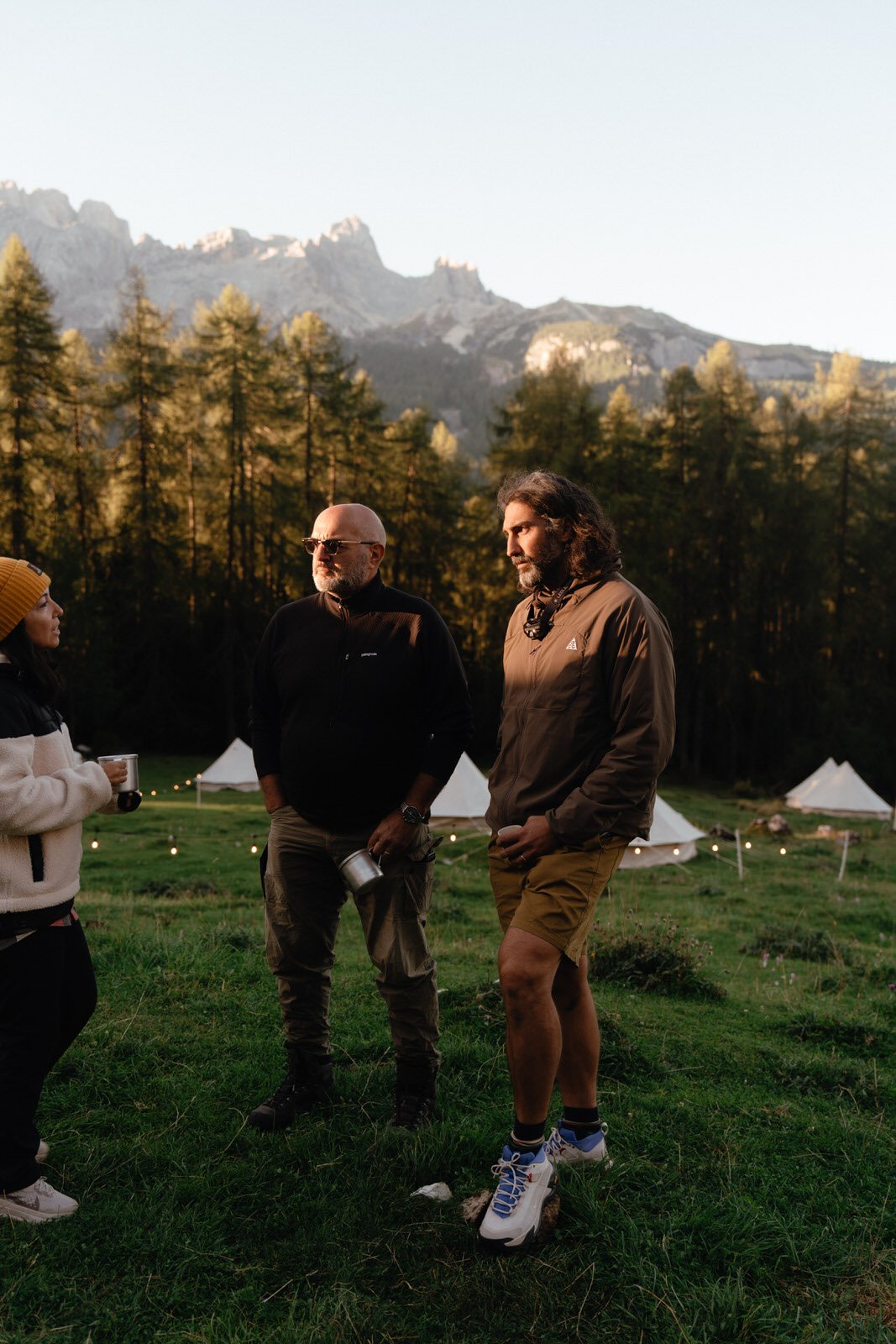
From September 3rd to 6th, we carried this question with us through the Dolomites. We did not try to find an answer. Instead, we tried to experience it.
Because perhaps we become responsible for time when we choose what deserves it. When we decide whom to share it with. When we allow something to mature. And also when we consciously choose not to accelerate.
Taking away to rediscover
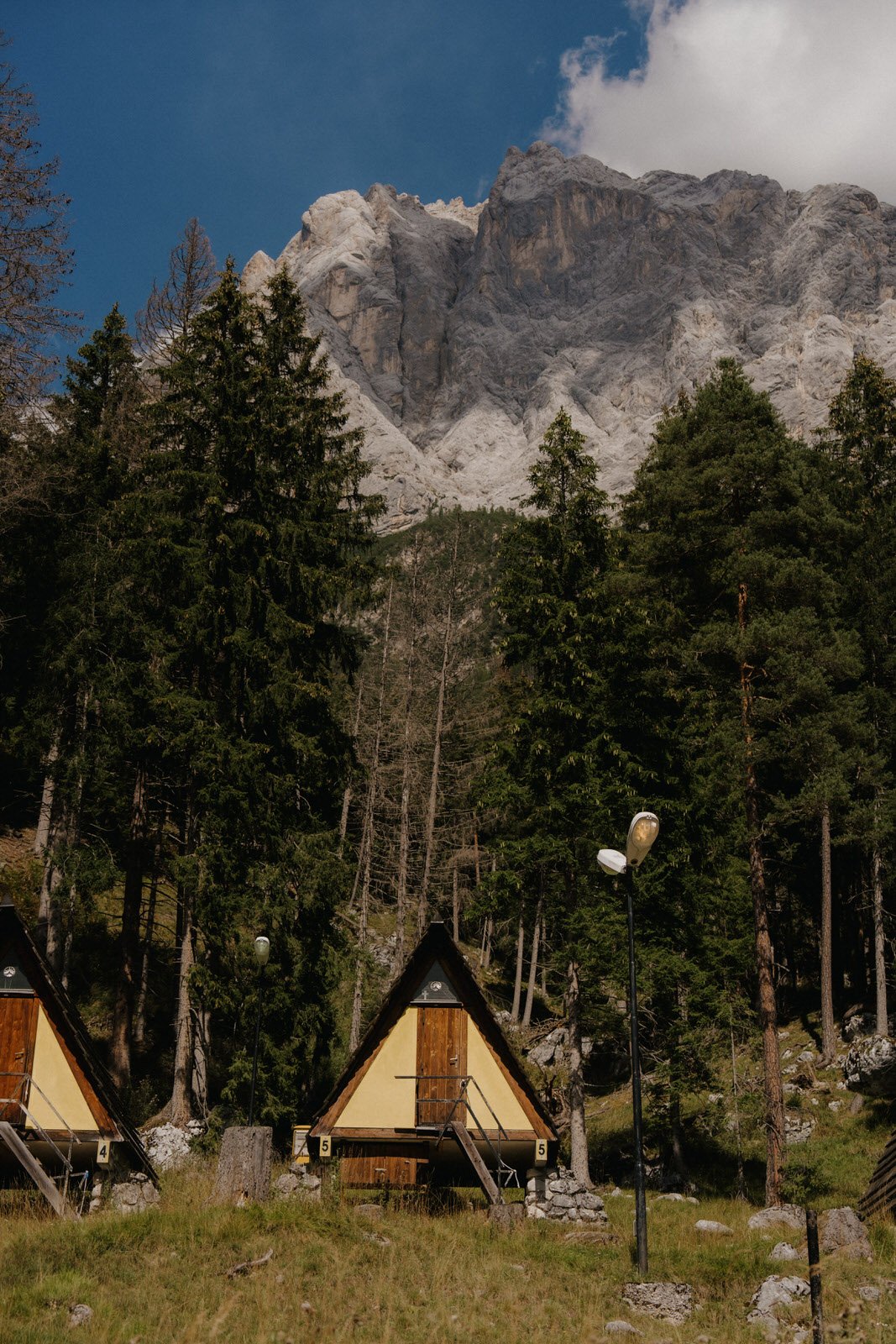

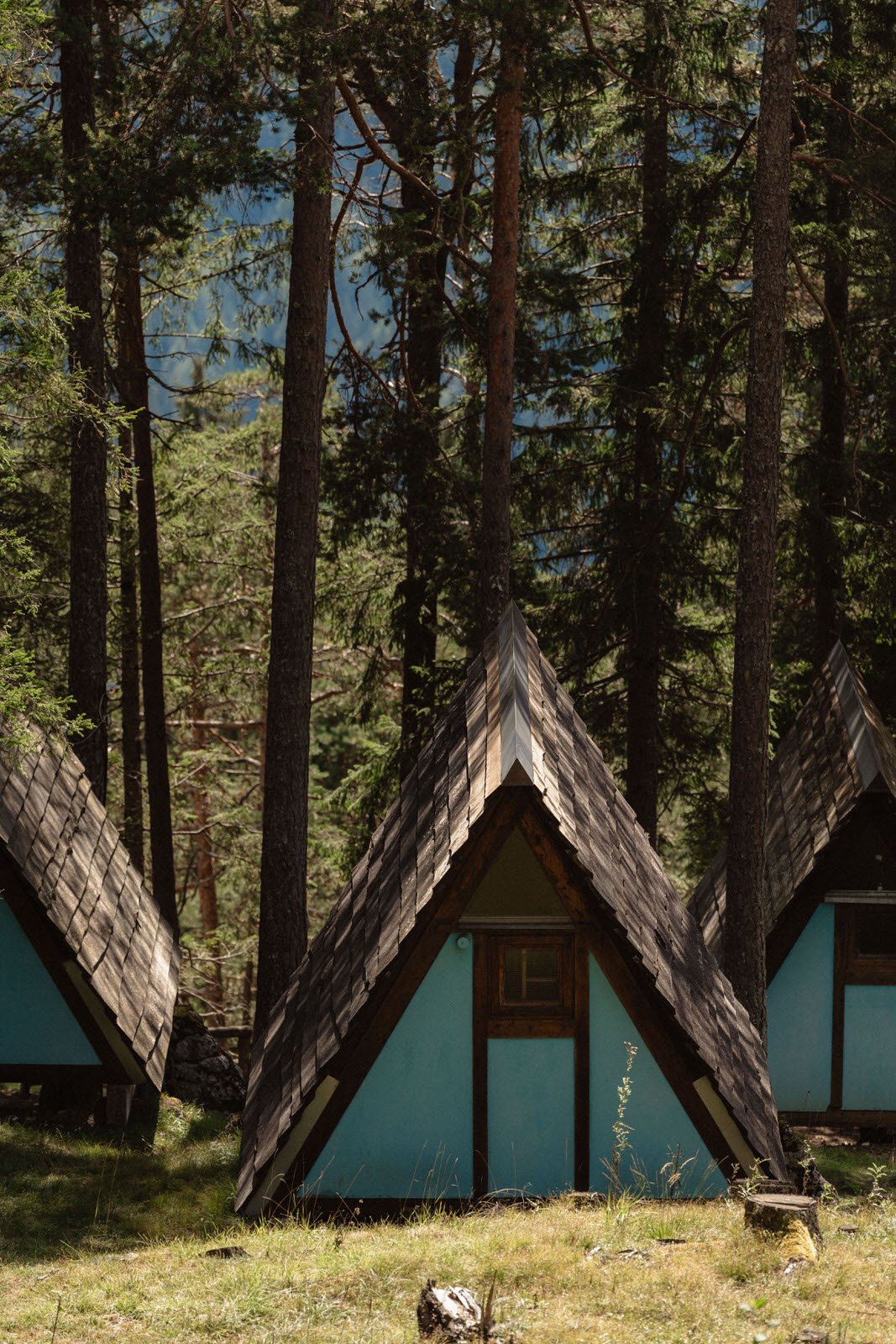



This year, Genesis took us beyond our usual places.
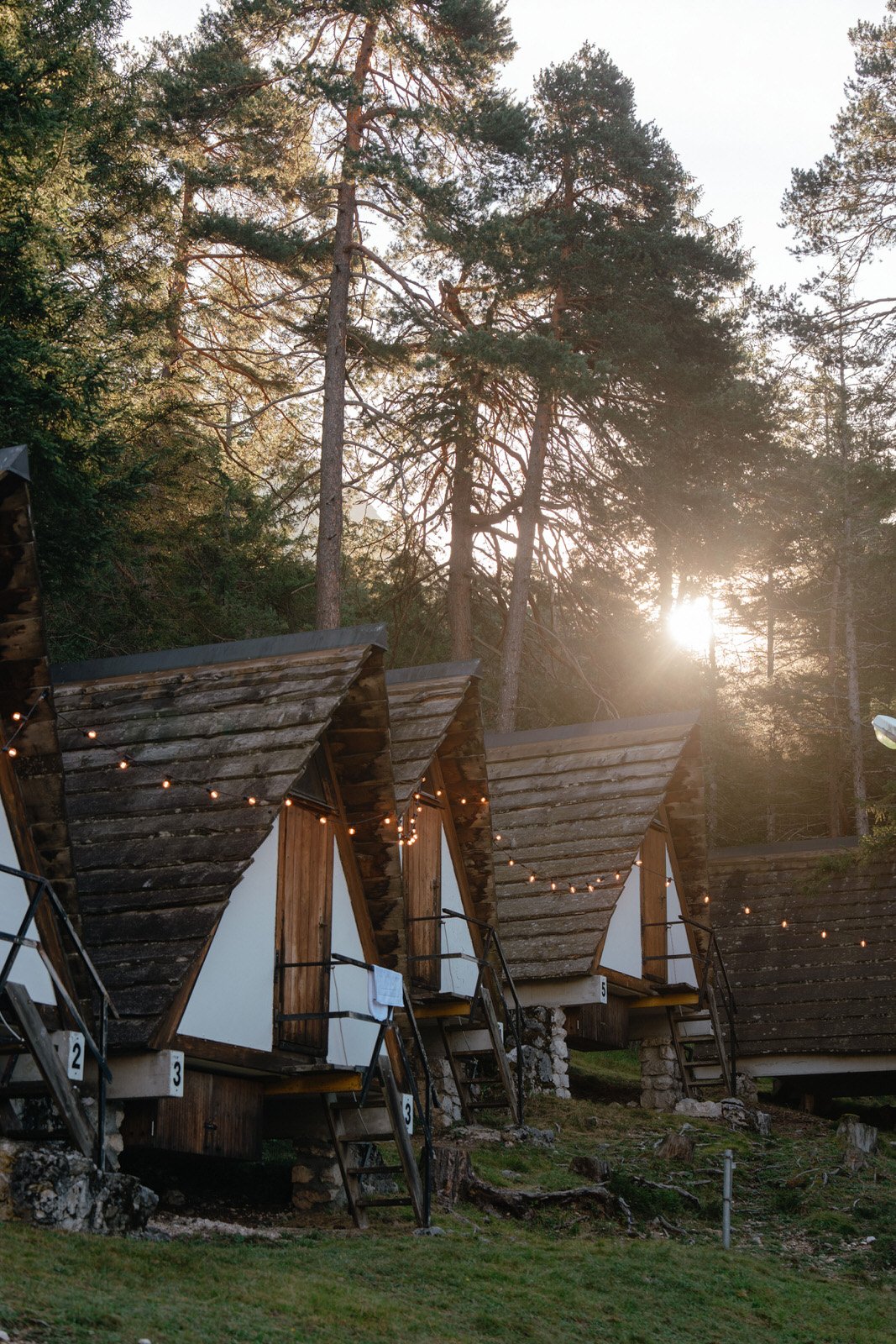
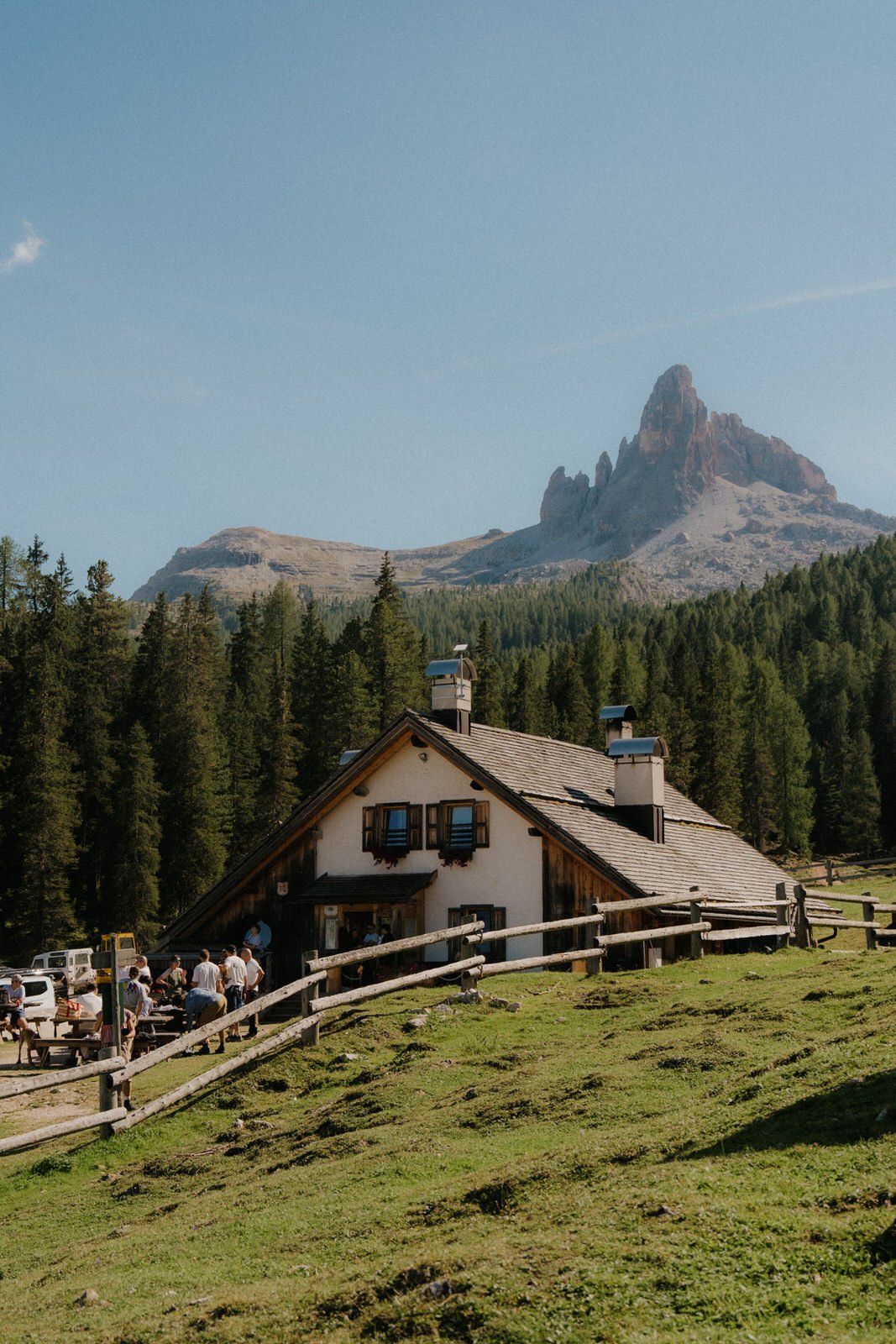
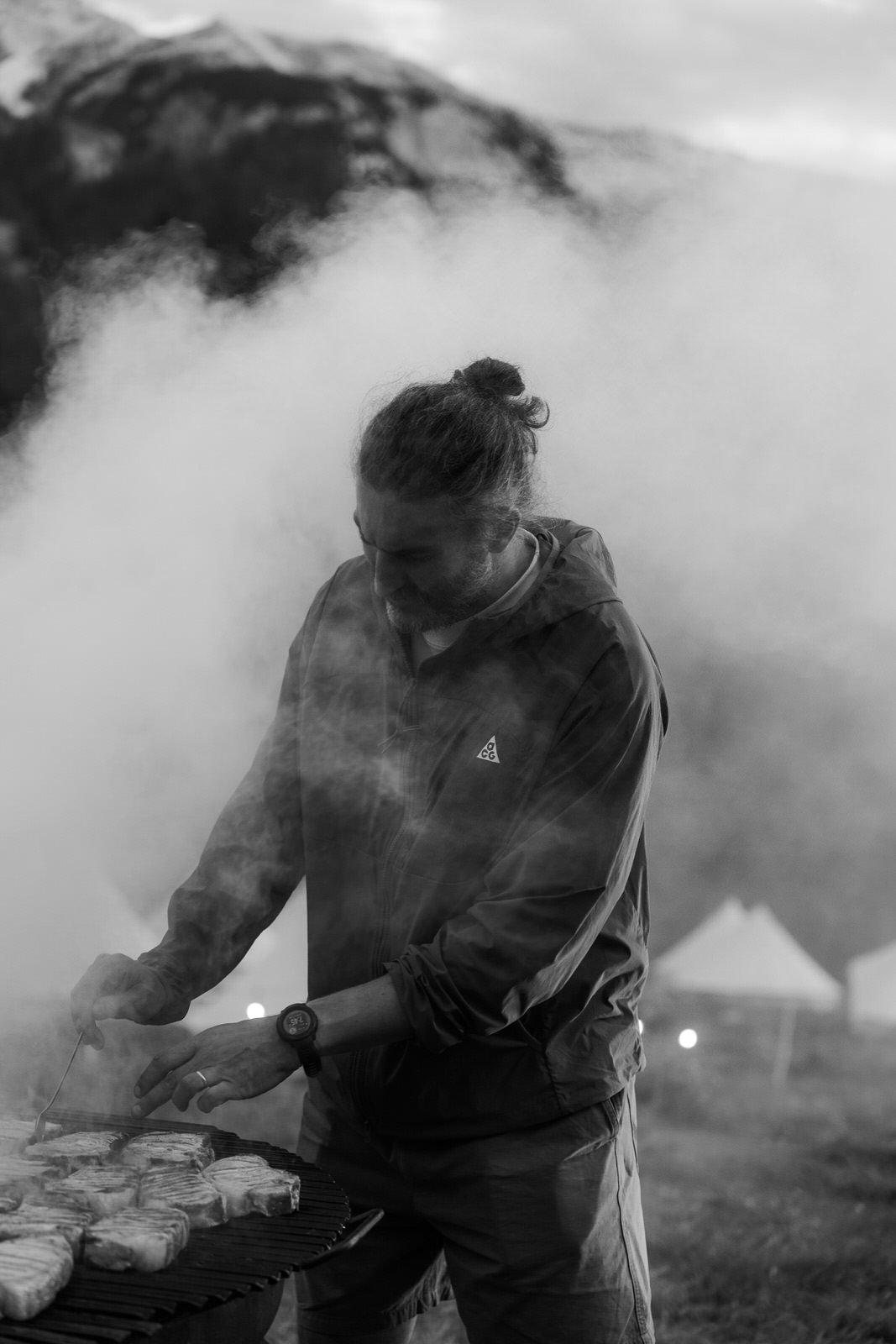
We slept in the cabins of the ENI Village in Borca di Cadore. We walked through forests and towards mountain huts. We ate together, listened, waited.
For a few days, we tried to take things away.
Comfort. Short distances. Overfilled schedules. That almost automatic feeling that we should constantly be moving on to the next thing.
Because the mountains know a different kind of time.
A forest does not hurry.
An animal does not hurry.
A cheese left to mature does not hurry.
And perhaps this is why being in nature reminds us just how unnatural the speed at which we so often ask ourselves to live has become.
The time we give to others.


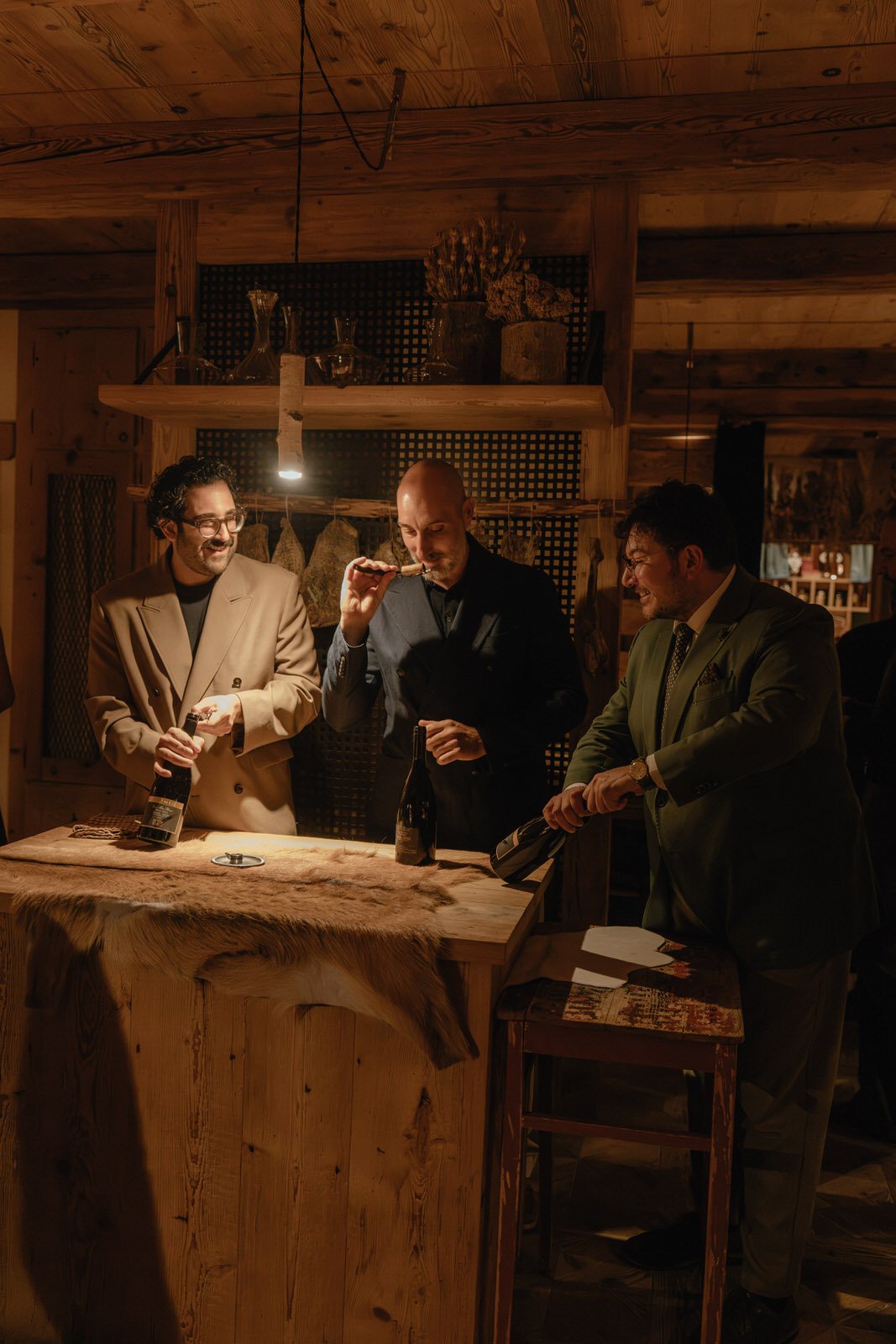


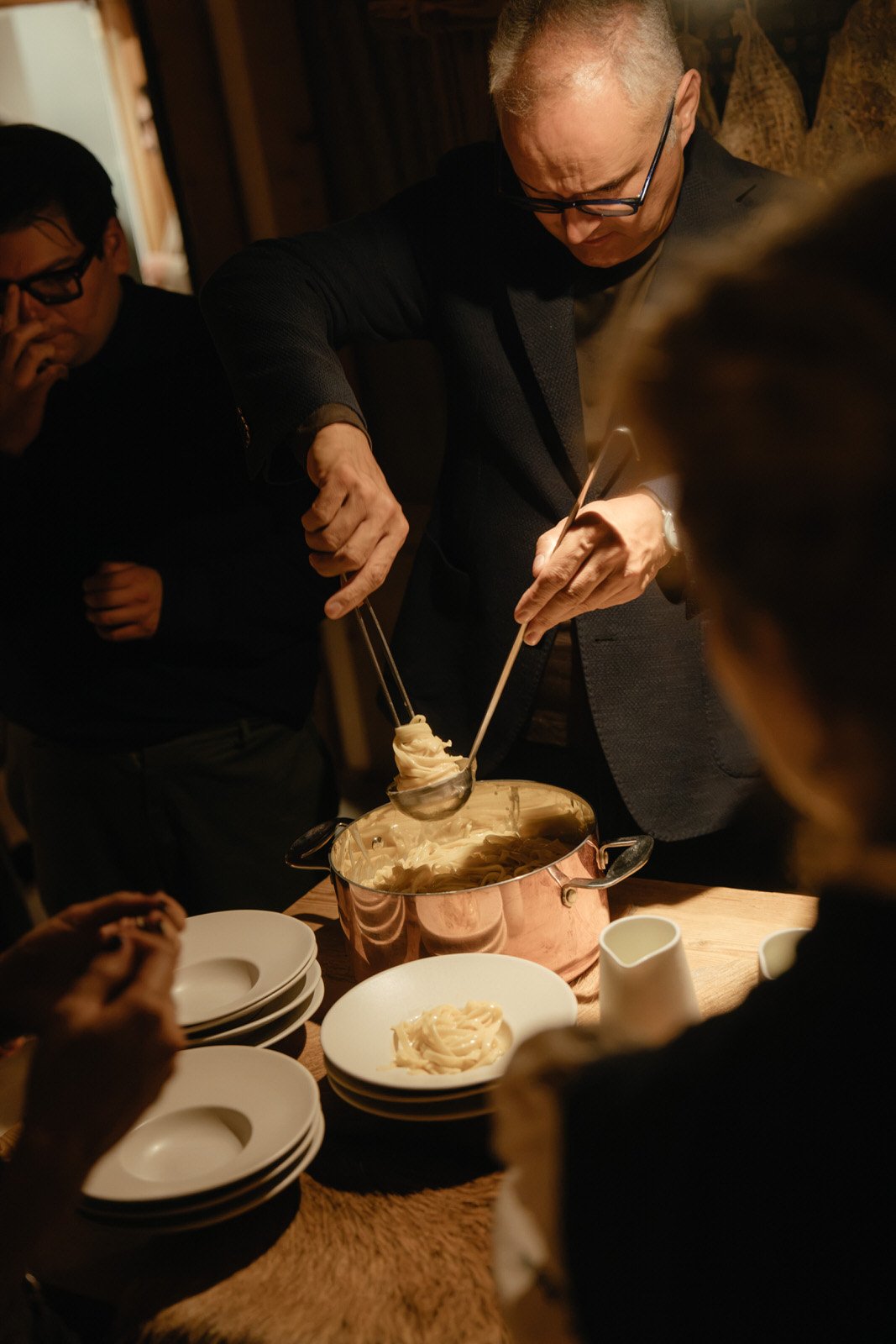
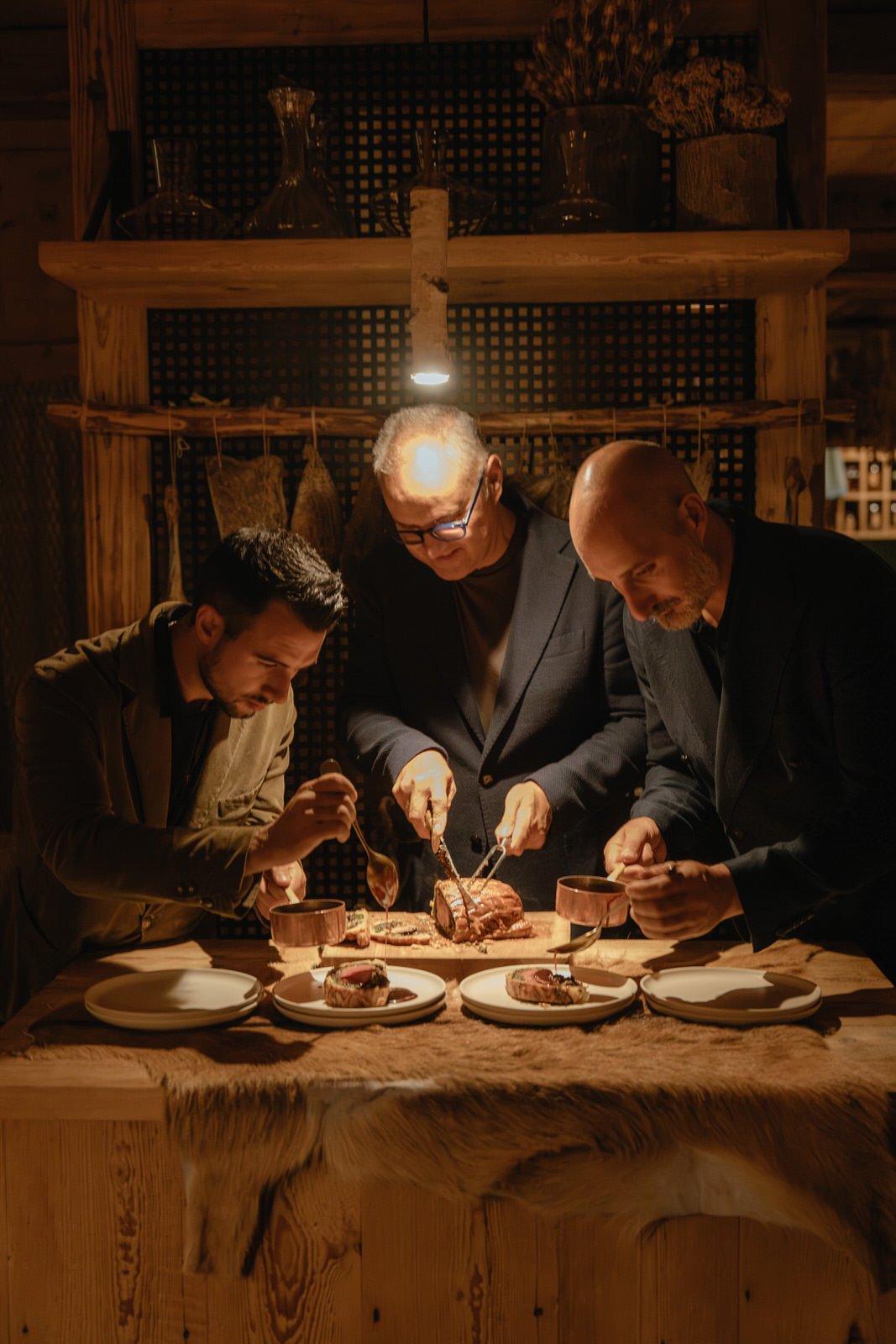
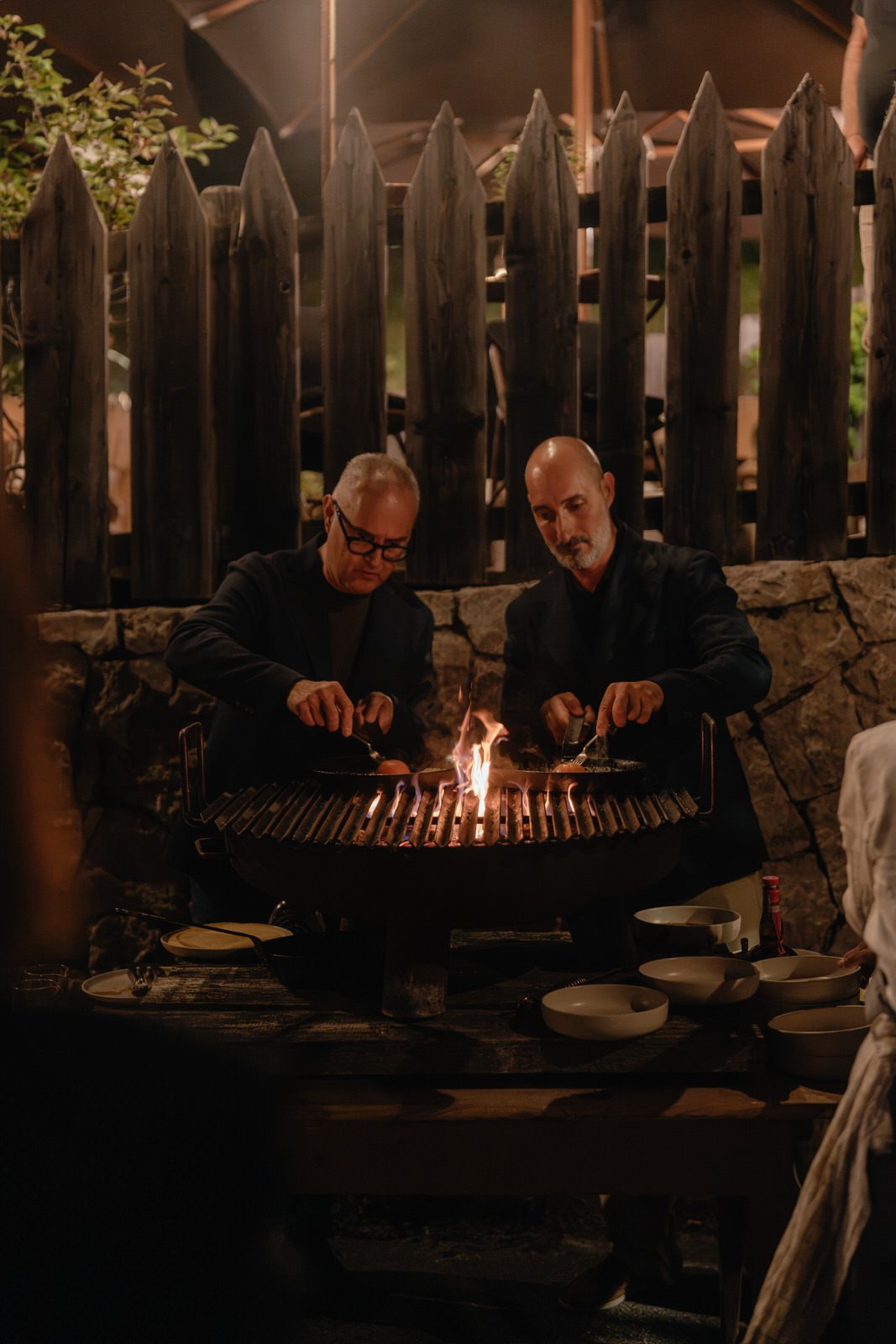


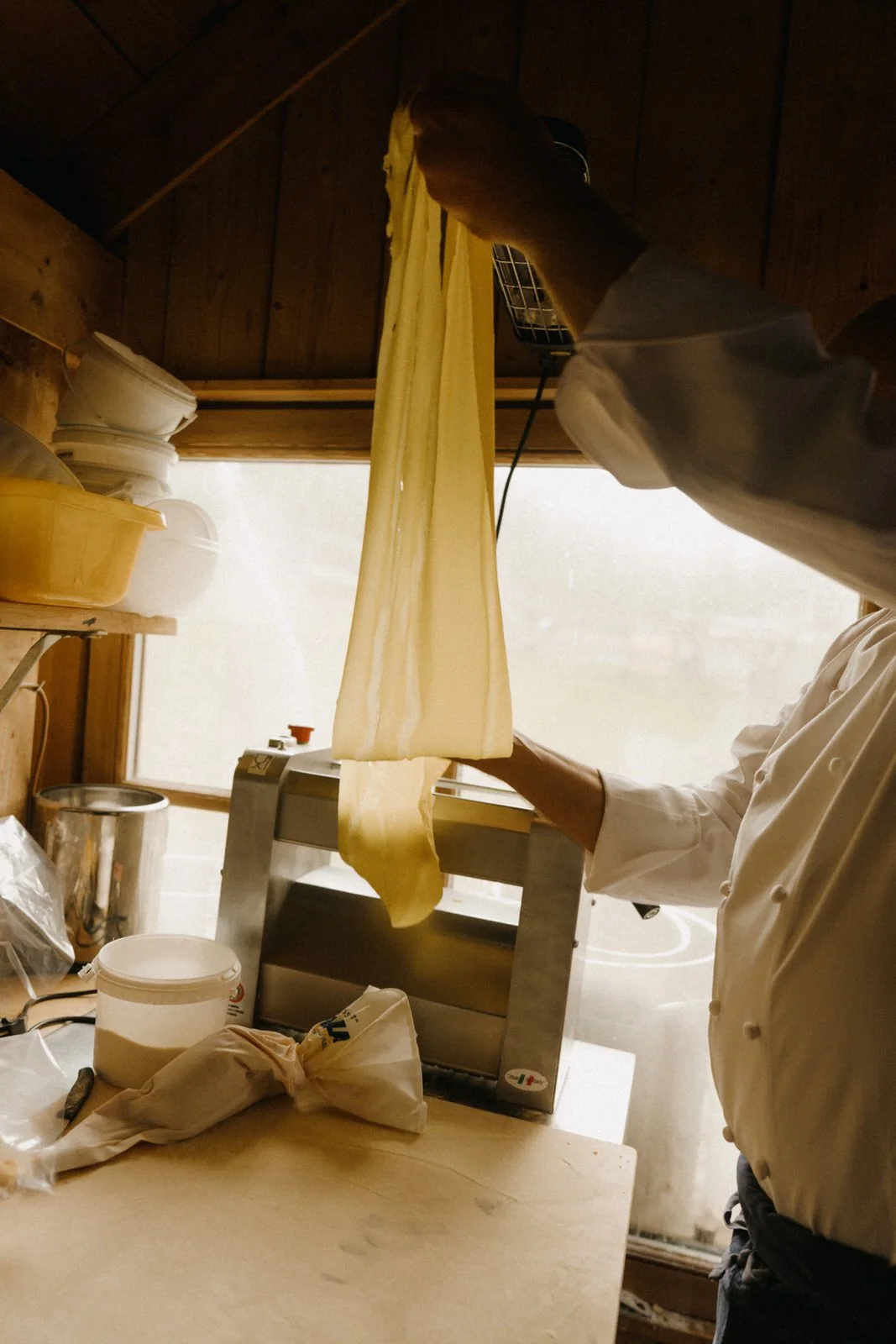

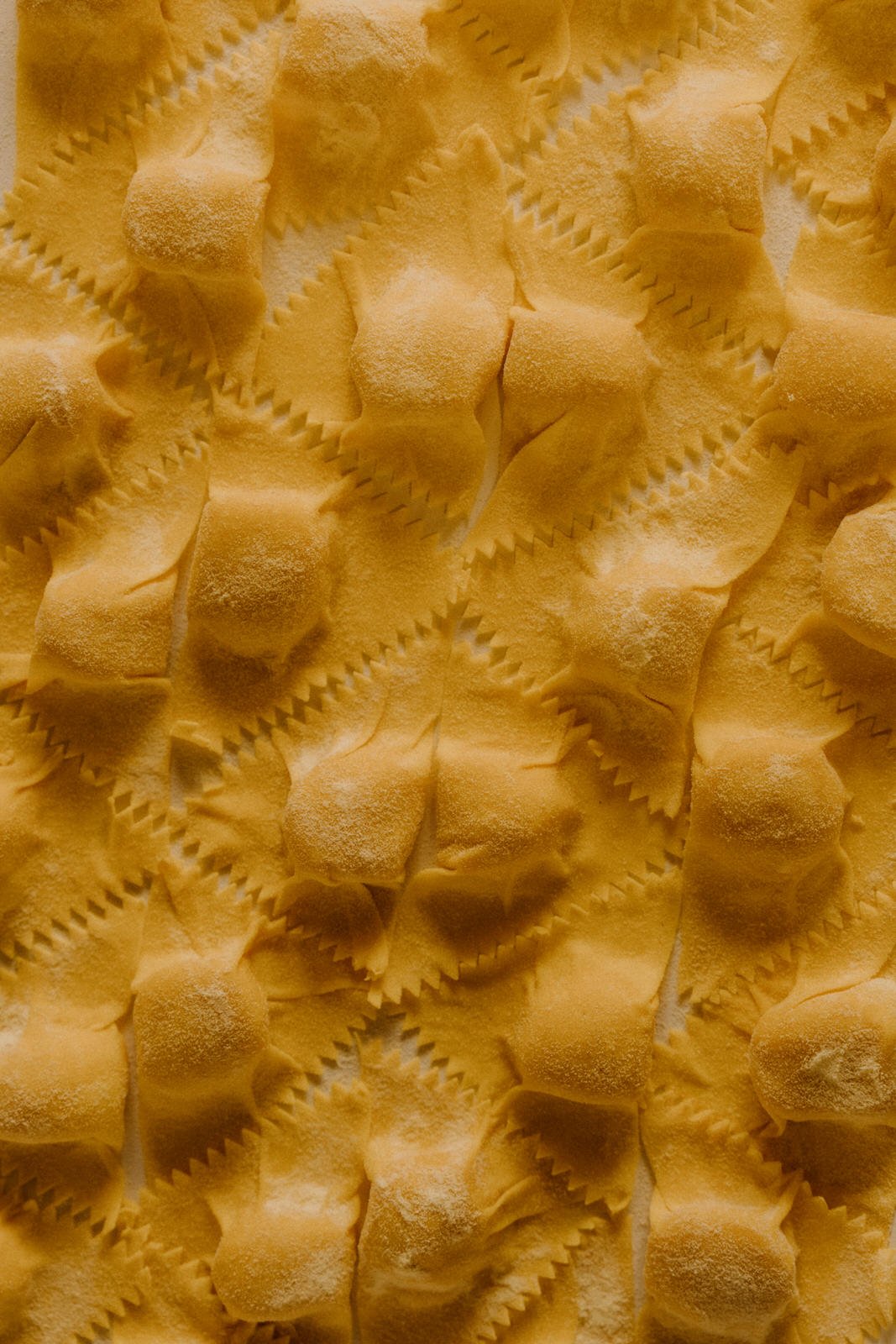
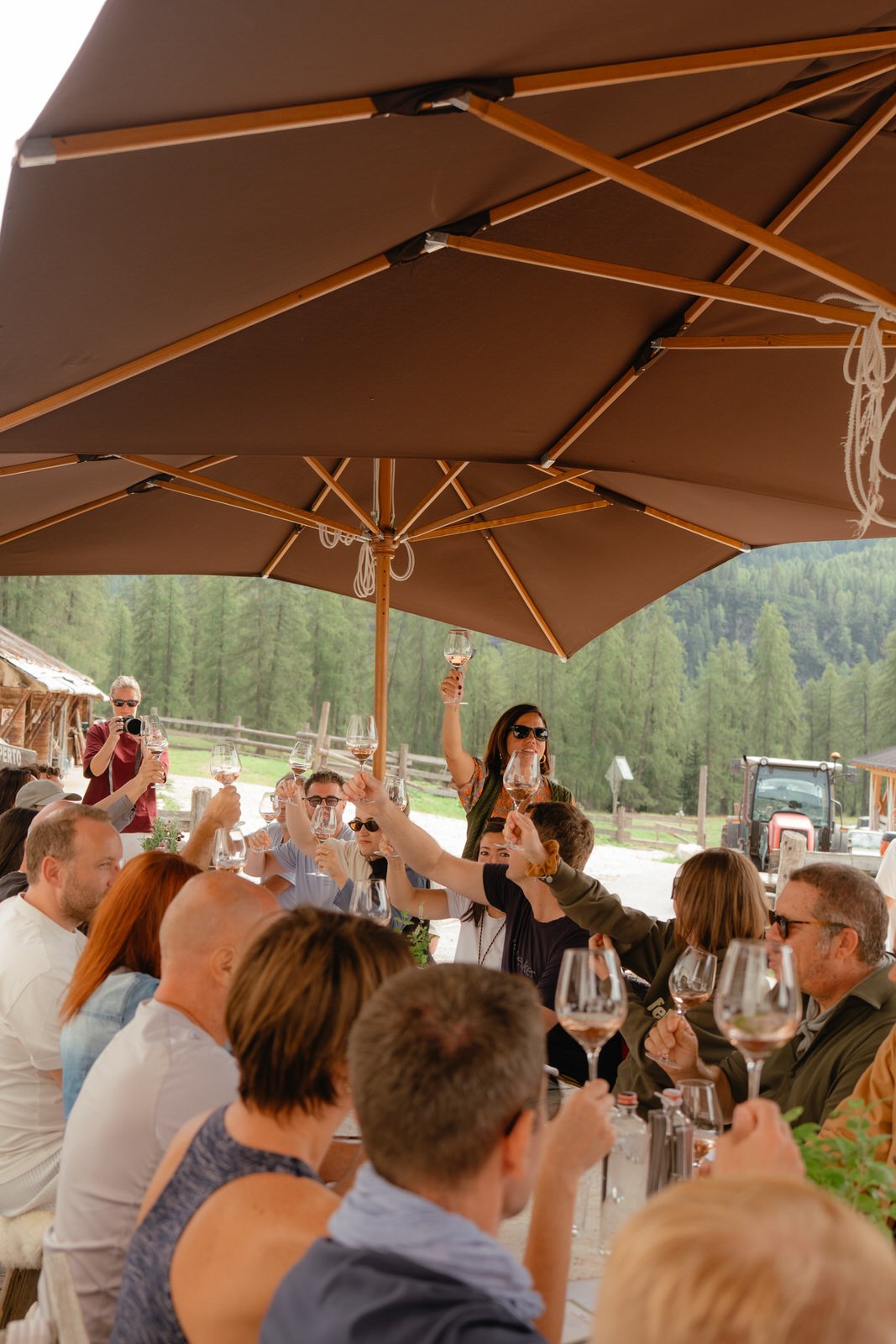


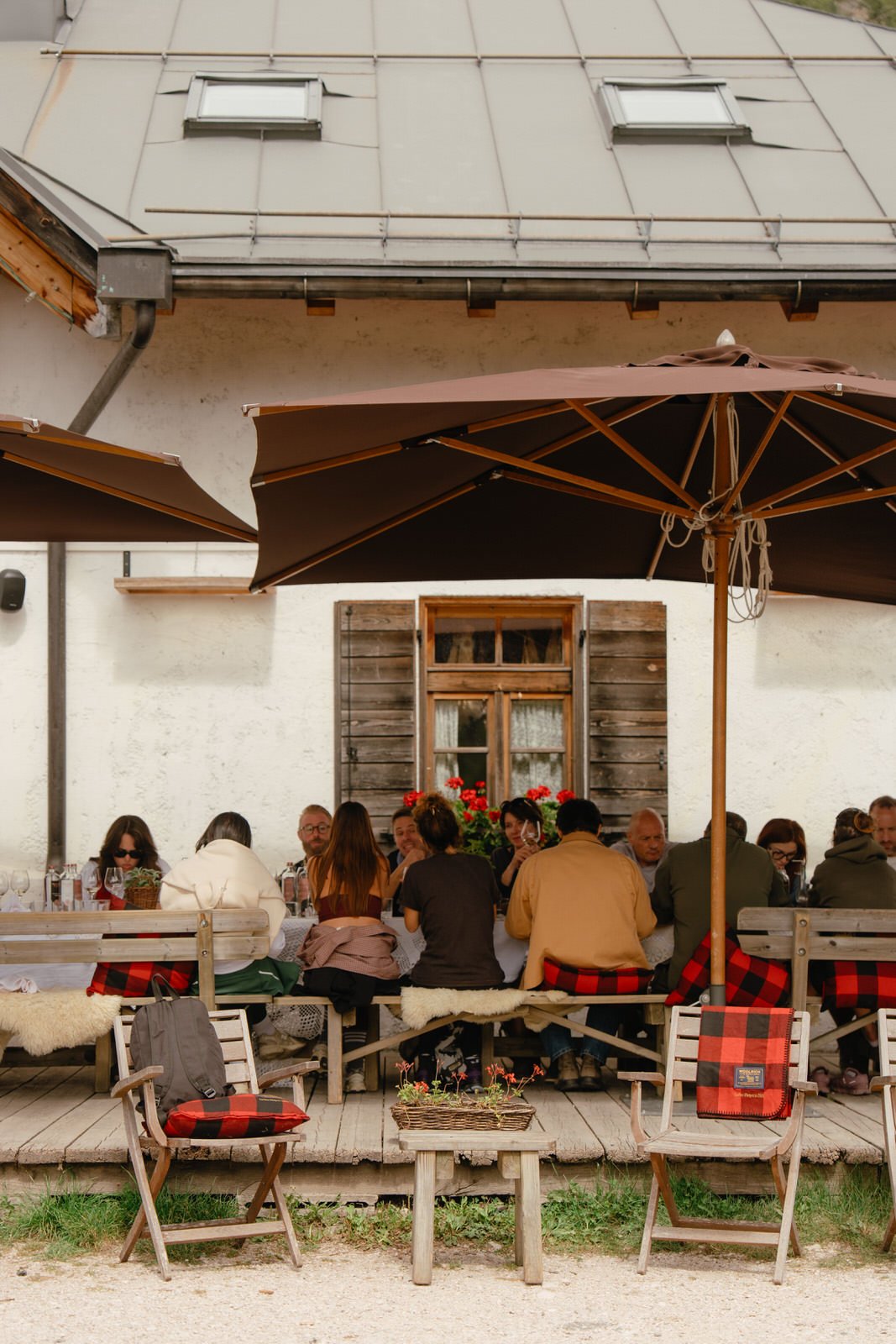
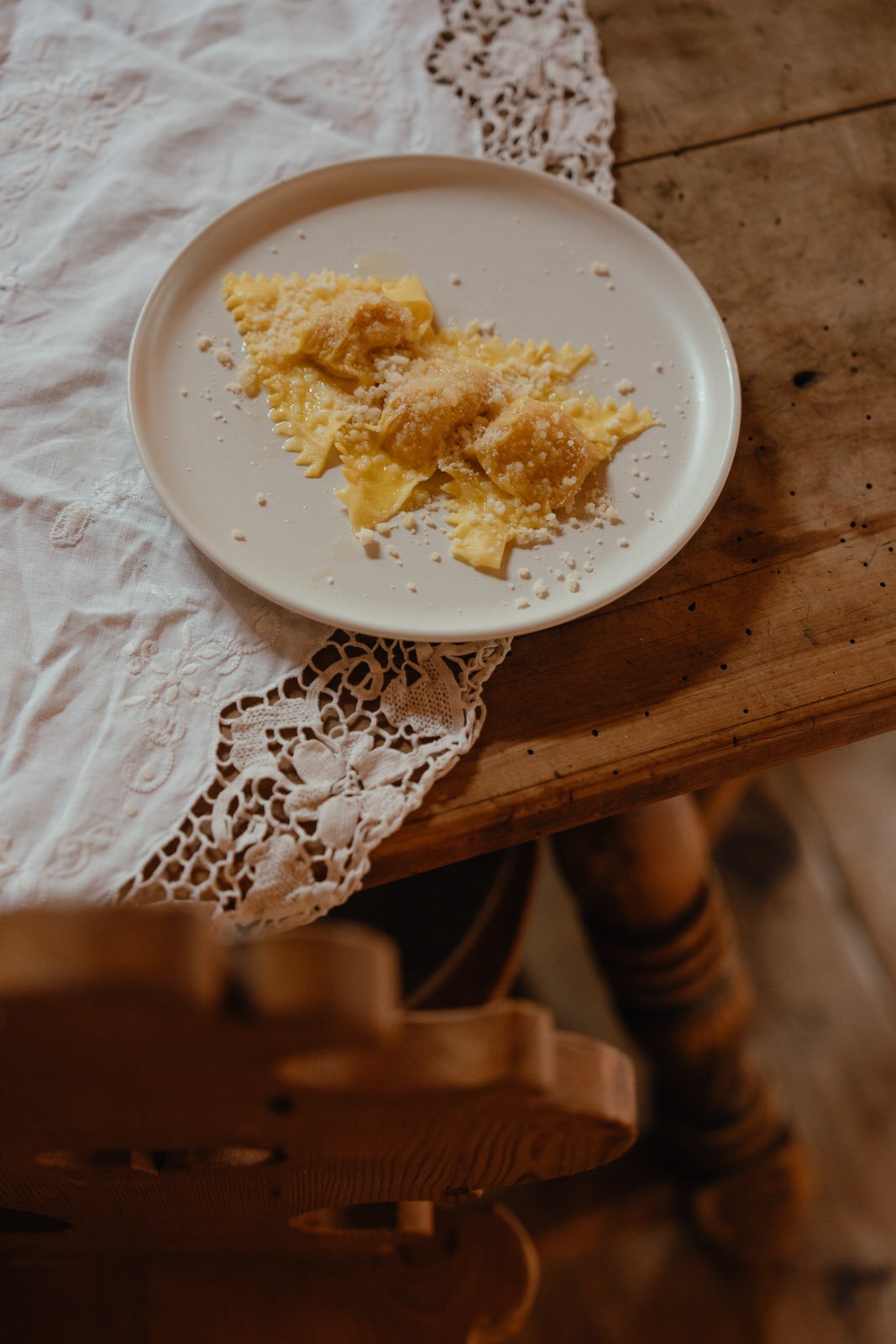


During Genesis, we were also reminded that time is never only about ourselves.
There is the time we choose to give to others.
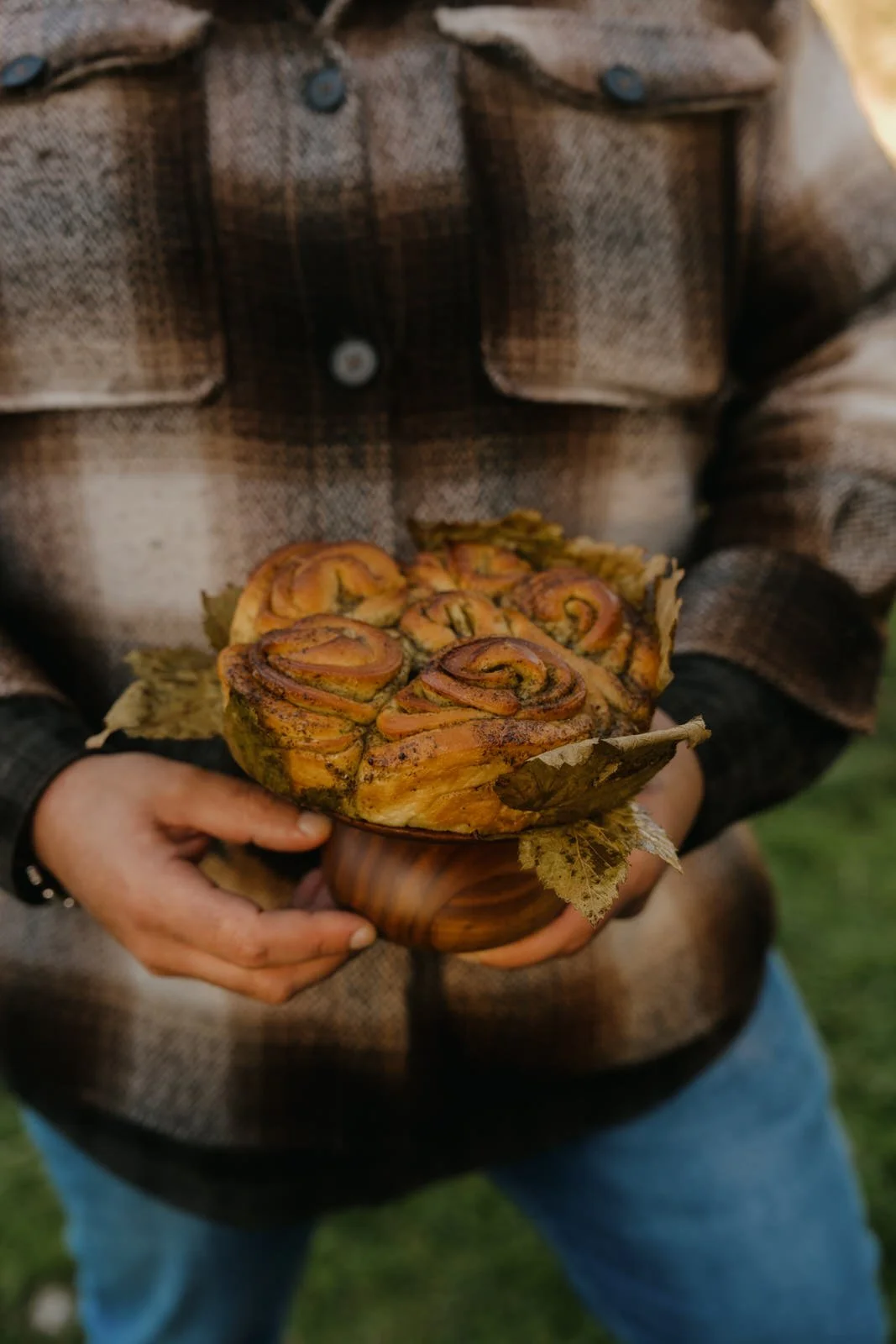
We saw it around the table.
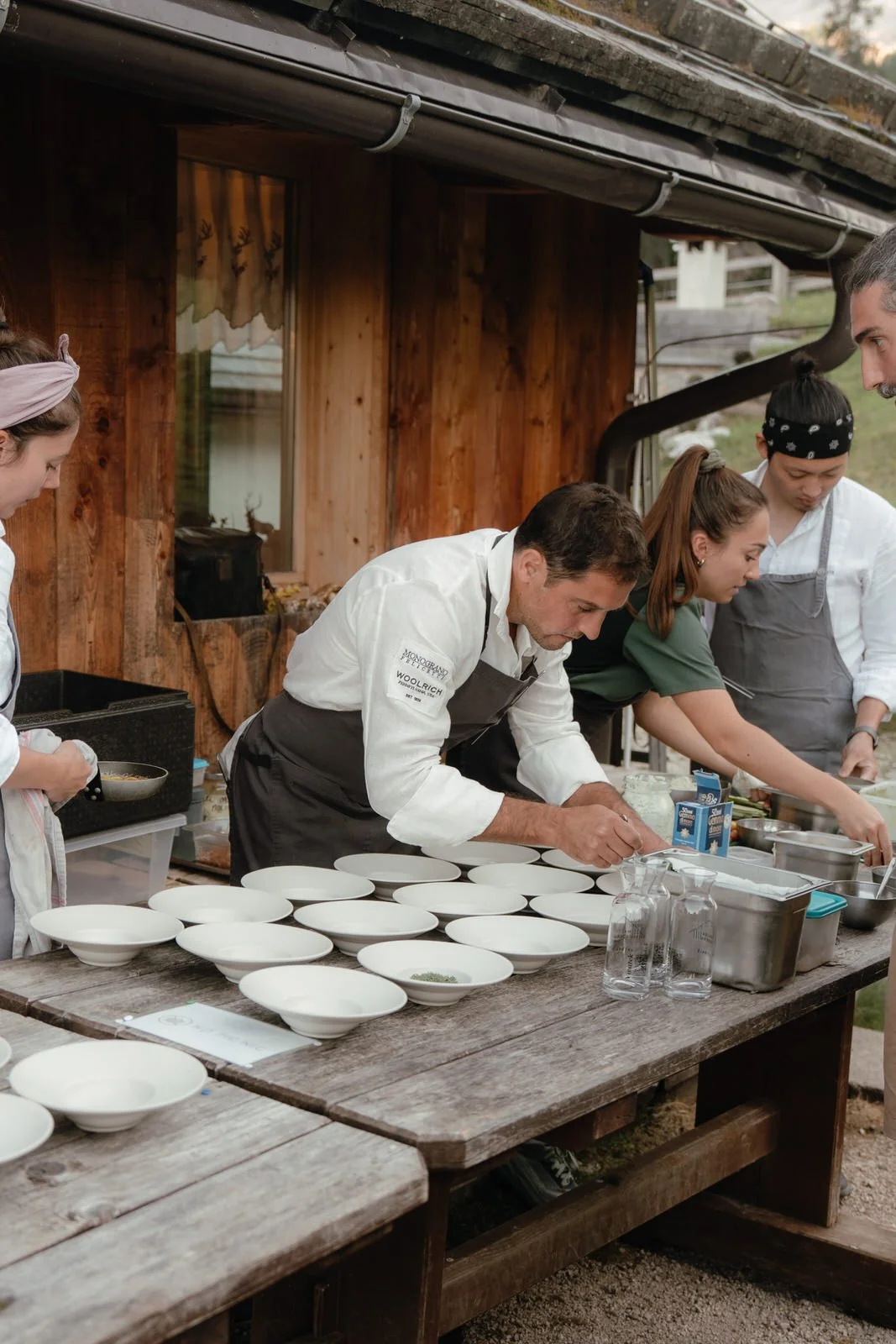
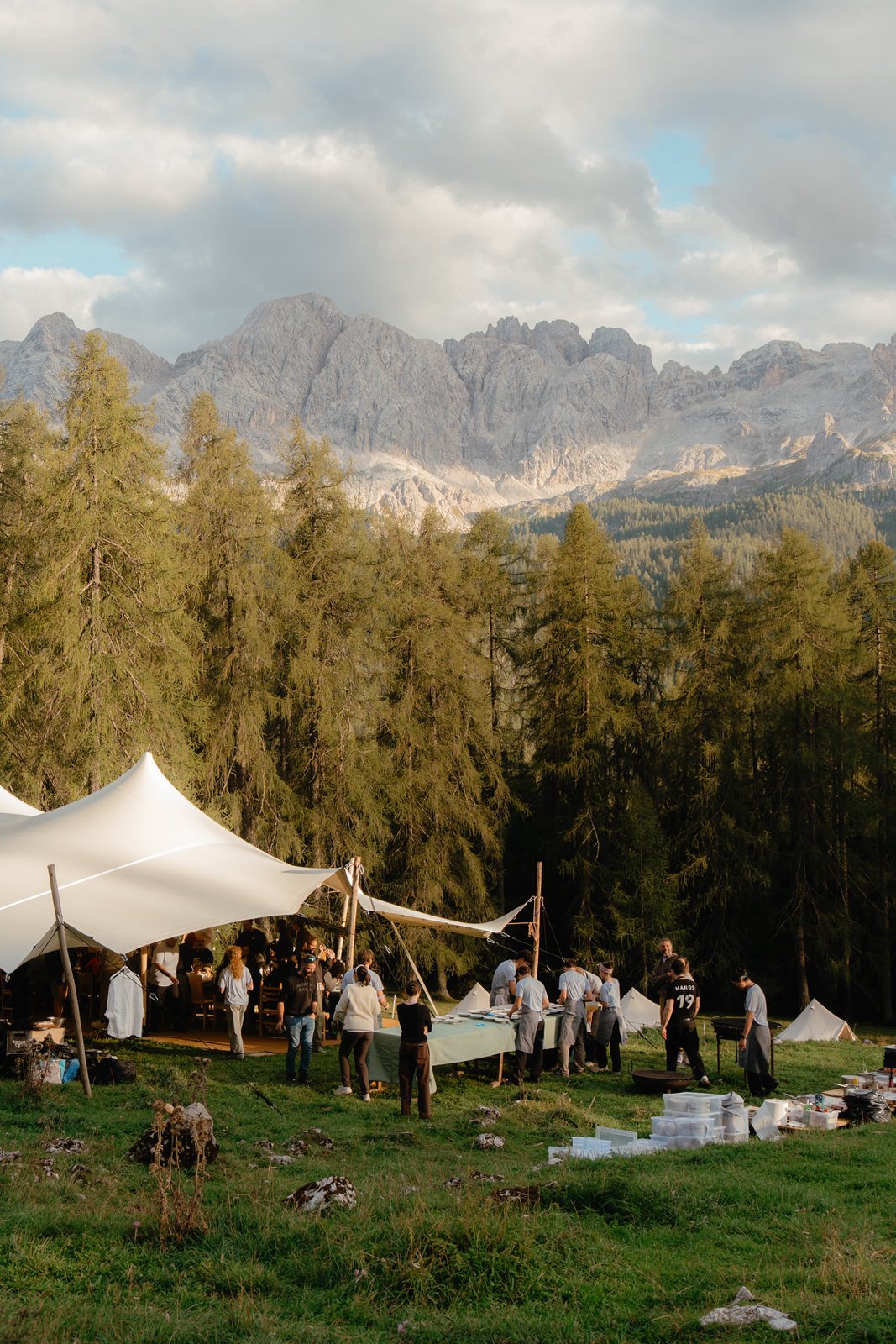
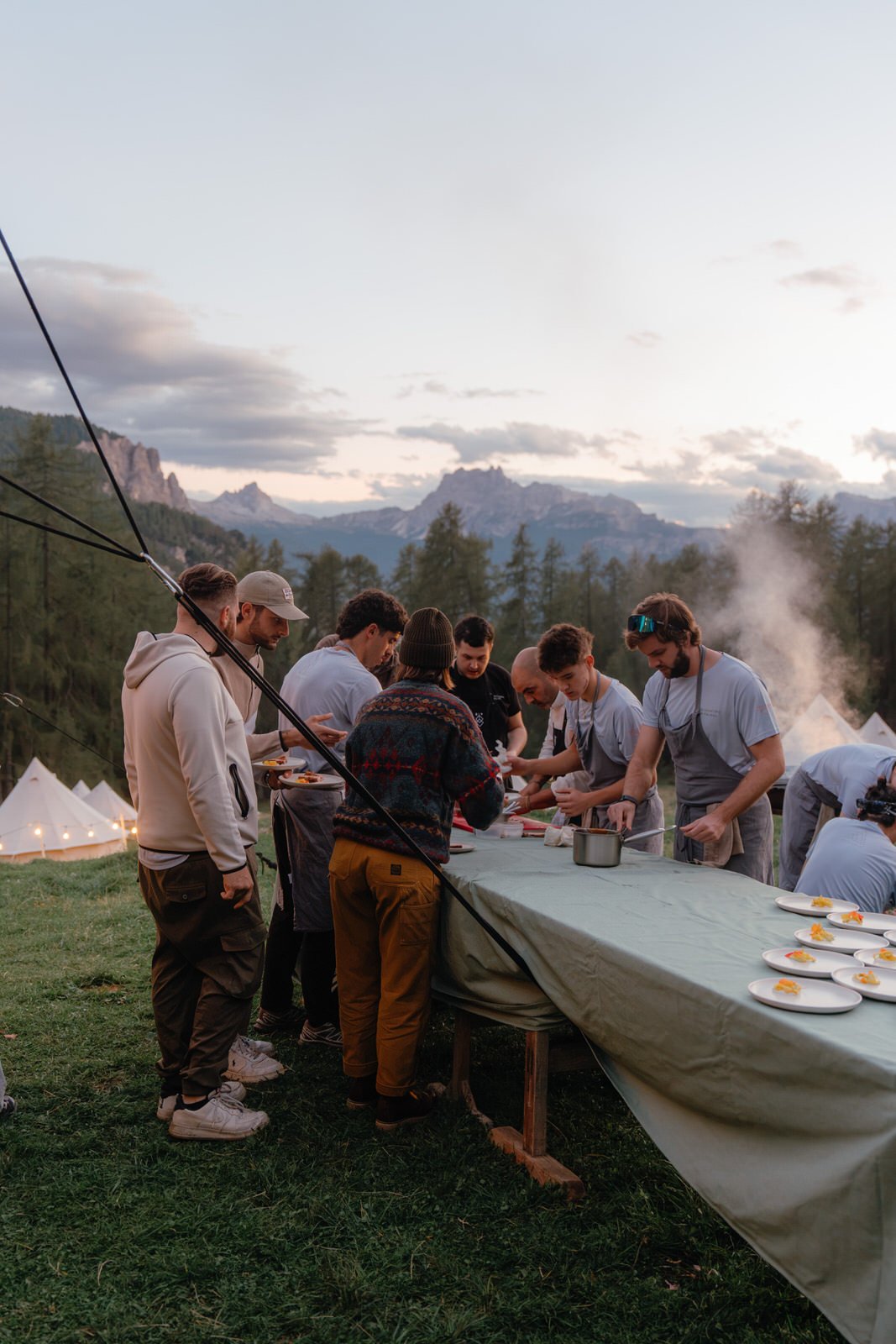
On the first evening, at SanBrite, we wanted the dining room team to create the dinner — not simply to serve it.
Because hospitality means observing, waiting, understanding when to come closer and when to leave space. Service itself is made of time: a gesture made at the right moment, a pause, a glance, the rhythm through which an evening slowly takes shape.
We found the same idea in the culture of Italian osterias and trattorias, where sitting around a table has never simply meant eating.
It means staying.
Talking. Listening. Getting to know one another.
And once again, we witnessed something that continues to surprise us every year.
On the first day, people arrive who often do not know one another. There is a natural shyness, a certain distance. Then the hours pass. There are walks, shared tables, conversations.
And slowly, that distance disappears.
Looking back at the photographs of Genesis 2026, time almost becomes visible in the relationships between people.
Some things need time.


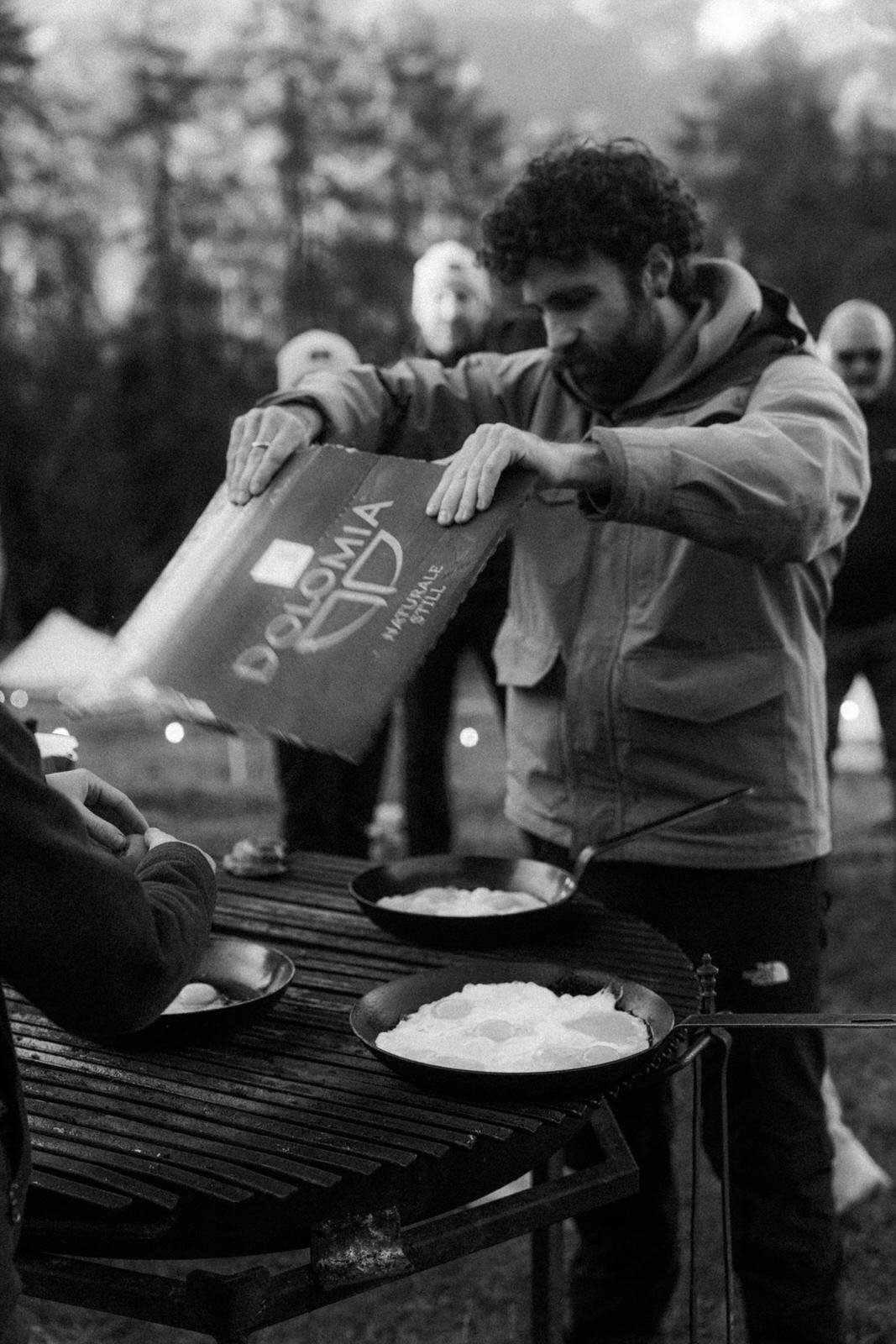
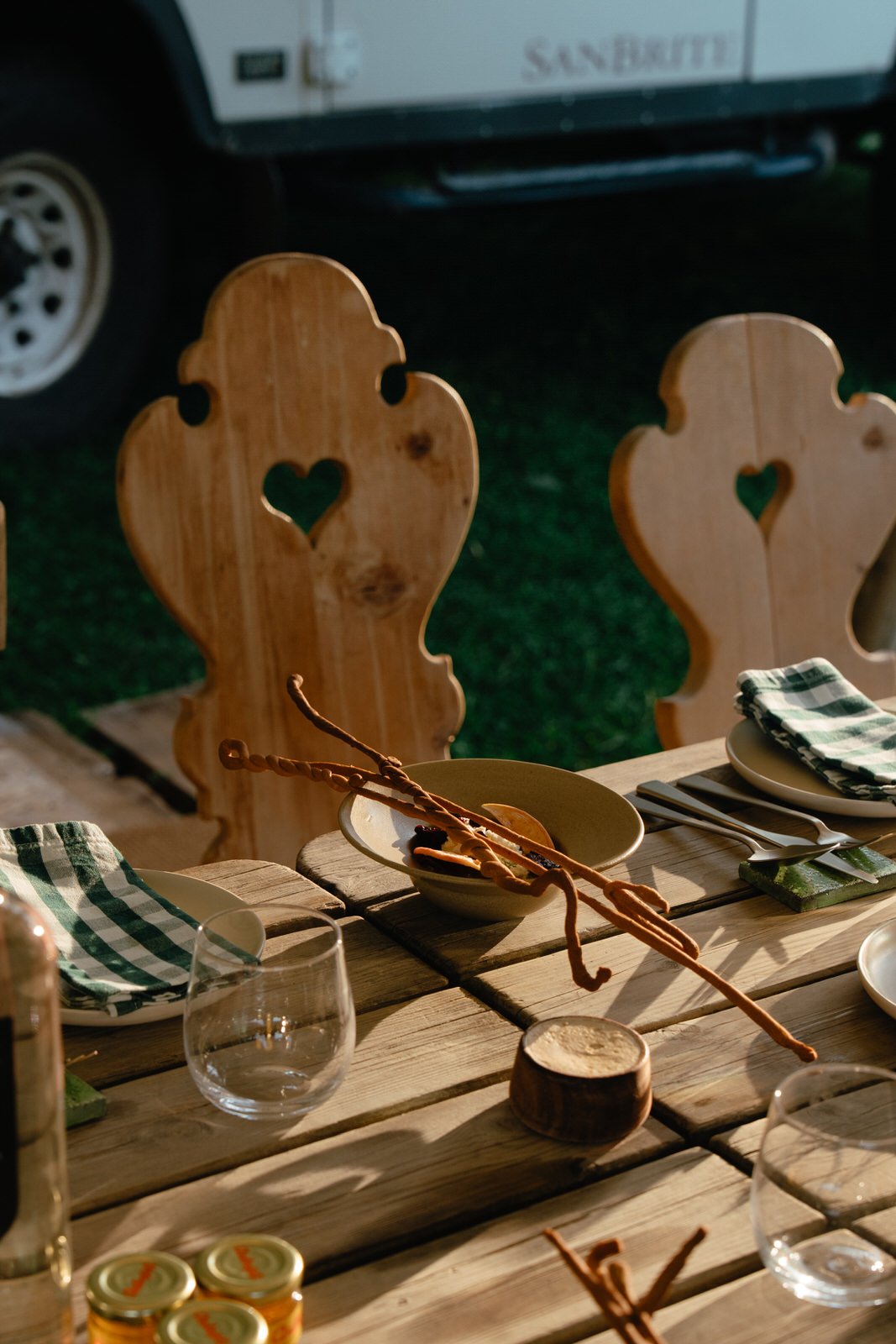


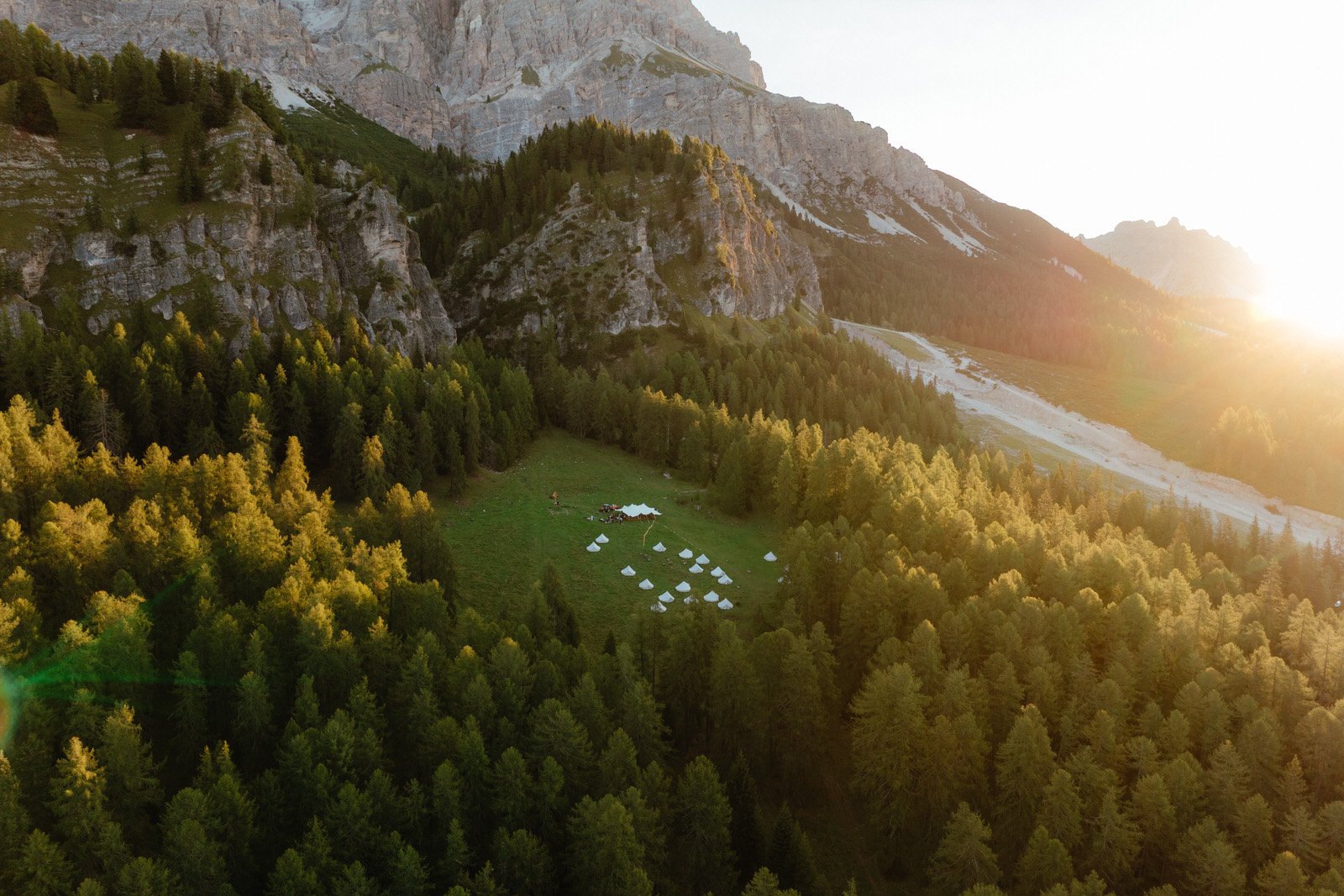
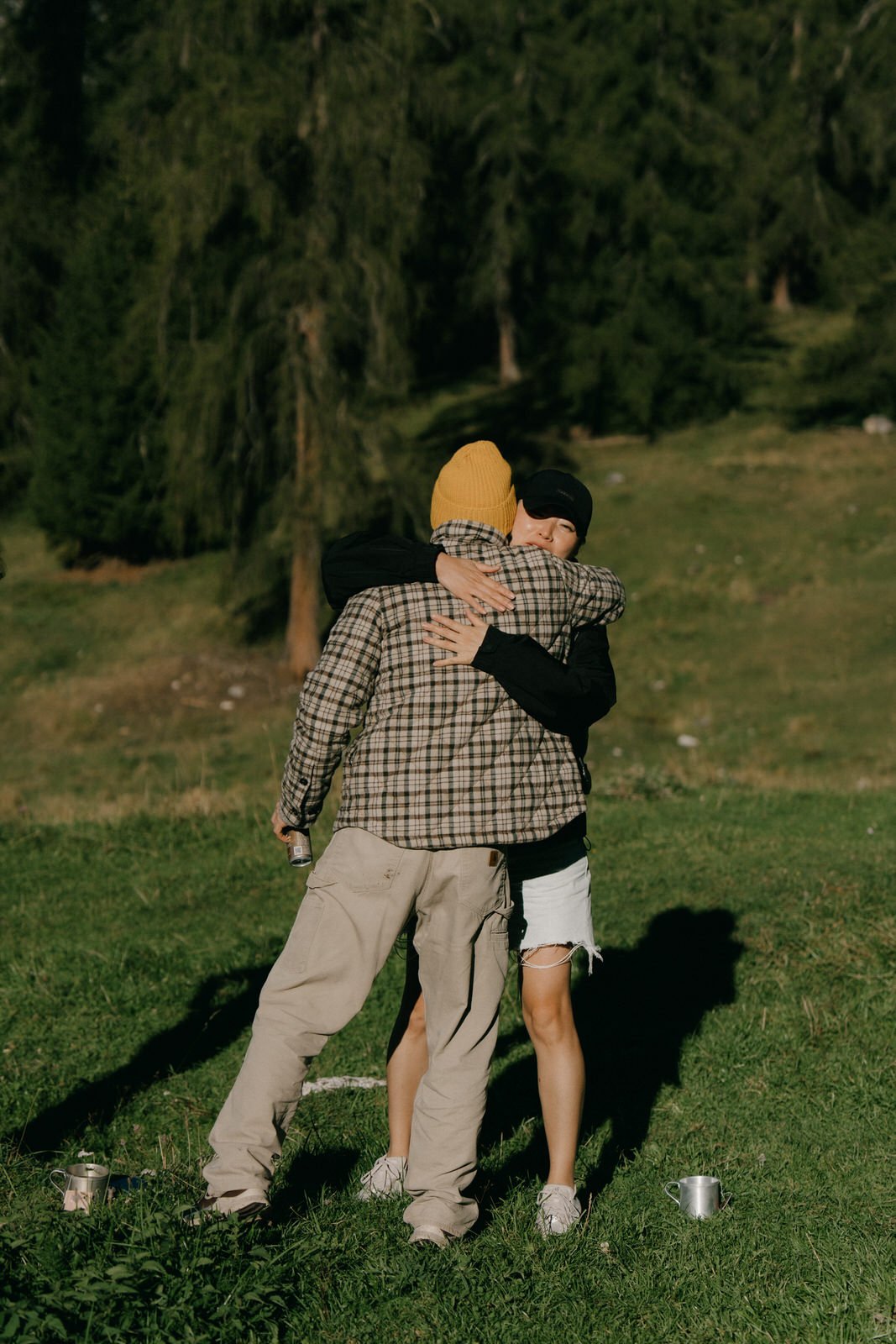



Perhaps this is what we take with us from this edition.
In a world that constantly encourages us to accelerate, taking time has become a conscious act.
There are things we cannot truly know quickly.
A place.
A flavour.
A person.
A craft.
A landscape.
They need us to stay long enough for them to reveal themselves.
For a few days, Genesis tries to create exactly this kind of space.
It does not want to teach us how to slow down. It does not want to provide answers.
It simply wants to create the conditions in which we can look again — truly look. Taste again — truly taste. Listen again — truly listen.
And perhaps remind ourselves that time is not something we own.
It is something we are responsible for.